
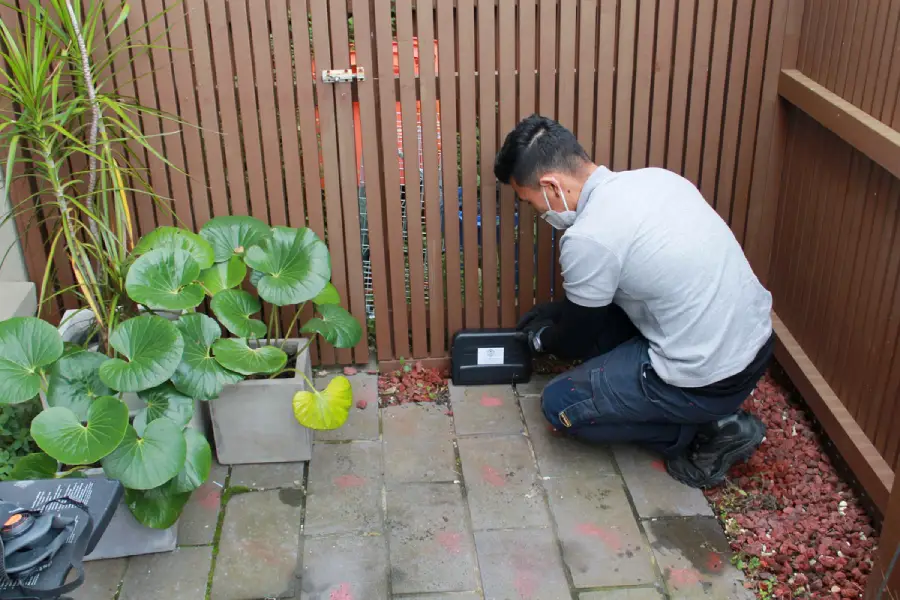
- Adelaide winters are mild on paper but cold and wet enough at night to push rats and mice out of garden burrows and into the dry roof voids, garages and wall cavities of nearby homes.
- June and July bring the heaviest rainfall of the Adelaide year, and a flooded burrow sends a rat looking for shelter just as quickly as a cold front does.
- A mouse can squeeze through a gap about the width of a pencil, so the openings you have dismissed as too small are exactly the ones worth sealing first.
- If the noise overhead is slow and heavy like footsteps, it is likely a possum, not a rat, and in South Australia trapping a possum inside a building requires a separate permit under different rules.
- Baiting without sealing entry points and removing food sources clears the current rodents and leaves the same warm roof available for the next lot within weeks.
The first real cold snap arrives, and within a week something is moving above the ceiling at night. You let it slide the first time. Then the cat keeps watching one corner of the laundry, a scatter of dark droppings turns up near the garage door, and the pet bowl is emptying faster than the dog is eating. That is usually the moment people stop second-guessing and start looking for answers.
Winter does not create rats and mice. It moves them. While the weather is warm they manage outdoors, but once Adelaide turns cold and wet they go searching for somewhere dry, warm and close to food. Roof spaces, sheds, garages, subfloors and wall cavities all fit the bill, which is why winter is the busiest stretch for rodent control across the city. One small sign is worth acting on, because it rarely stays one sign for long. This page covers the winter side of the story. For year-round treatment, pricing and how a job is carried out, see our main Rodent Control Adelaide page.
Table of Contents
- Quick Answers About Winter Rodent Control in Adelaide
- Why Rodent Activity Increases in Adelaide During Winter
- What Technicians Often See After the First Cold Snap
- Why Rain Drives Rats and Mice Indoors
- Common Winter Rodent Entry Points Around Adelaide Homes
- Why Scratching Noises Increase in Roofs During Winter
- Signs Adelaide Homeowners Should Look For
- Why Early Winter Rodent Control Matters
- Winter Health and Property Risks Linked to Rodents
- What Adelaide Homeowners Should Do Before Rodents Settle In
- What To Do Tonight If You Suspect Rodents
- When To Book Winter Rodent Control in Adelaide
- Technician Winter Inspection Checklist
- Frequently Asked Questions
Quick Answers About Winter Rodent Control in Adelaide
Why do I hear scratching in my roof at night?
Rats and mice move and feed after dark, and once the house is quiet their activity is easy to hear. The scratching is usually running over insulation, gnawing, or building a nest in the roof void. Book an inspection of the roof and entry points early, before a couple of rodents become a colony.
Is it rats, mice or possums in my roof?
Quick, light scratching is rats or mice. A slow, heavy thud like footsteps overhead is a possum. The difference matters in South Australia, because possums are protected and trapping one inside a building needs a Trap and Release Protected Animals Permit. A proper inspection confirms the animal before any work begins.
How do I get rid of rats in the roof?
Close off the gaps they are using, remove the food and water keeping them around, then bait or trap inside the roof void and along their runs. Sealing is the part that lasts. Leave the gap open and fresh rats move into the same warm roof within weeks.
Why do rats keep coming back after baiting?
Baiting clears the rats that are there now, but it does nothing about the entry gap or the food drawing them in. With the doorway open and the pet food still out, the roof refills. Lasting control means baiting, sealing and removing the food source at the same time.
What attracts rats and mice to Adelaide homes in winter?
Warmth, a dry place to nest, and an easy feed. Heating in the ceiling, pet bowls left down, open bins, fallen fruit and cluttered sheds all make a home worth moving into. Take those away and the appeal drops fast.
How small a gap can a mouse fit through?
Smaller than most people expect. A mouse pushes through a gap about the width of a pencil, so an opening that looks far too tight is still a way in. That is why a thorough seal-up checks every penetration, not only the obvious holes.
Why Rodent Activity Increases in Adelaide During Winter
Adelaide is the driest of the mainland capitals, but winter still brings its coolest days and heaviest rain, and that combination is what pushes rodents toward the house. Bureau of Meteorology figures for the city put the average winter maximum near 16 degrees in June, 15 in July and 16 in August, with June and July carrying the highest rainfall of the year. Mild on paper, yet cold and damp enough at night to send a rat looking for shelter.
When the garden turns cold and wet, the burrows and ground cover rodents used through summer stop being comfortable. Outdoor food gets harder to find at the same time. So they move toward dry, protected space, and a home offers plenty of it. Roof voids near the heating are the first choice, followed by garages, sheds, wall cavities and the subfloor.
Some homes are softer targets than others. A place with pet food left out, open bins, fallen fruit under the tree, an unmanaged compost heap or spilt bird seed gives rodents a reason to stay. Add older sections of the city where gaps have opened up over time, or houses backing onto reserves, gardens and fence lines, and the risk climbs further.
What Technicians Often See After the First Cold Snap
Once the cold sets in, the call volume lifts and the early jobs follow a familiar shape. During winter callouts, technicians often find activity in the same handful of places, which is why roof voids, subfloors, garages and the outside perimeter get checked first.
The common findings are droppings in garages, laundries, pantries and roof spaces, along with scratching after dark. There is usually gnawed insulation, chewed cardboard and food packaging, and movement around ducts, pipework and roof access points. Gaps under garage doors show wear where rodents pass through. Nests turn up made from paper, cloth, cardboard and lifted insulation. Outside, worn runs follow fence lines, garden beds and the edges of sheds. One clue rarely stands alone, so finding two or three together usually points to established activity.
Why Rain Drives Rats and Mice Indoors
Cold takes the blame for winter rodents, but rain does plenty of the pushing. Adelaide does not get soaked the way the eastern capitals do, yet June and July still bring the wettest weather of the year, and a waterlogged garden is no place for a rat.
Steady rain floods burrows and soaks the sheltered corners of the garden. Outdoor food becomes harder to reach. The natural move is inside, into the dry roof spaces, garages, sheds, wall cavities and subfloors that stay protected whatever the weather does. That is why activity often rises after a wet stretch in Adelaide, sometimes as sharply as it does after a cold one.
Common Winter Rodent Entry Points Around Adelaide Homes
Rodents rarely make their own door. They use the gap already there, the one you stopped noticing years ago. If you want to check your own place, start at the roofline, then follow every point where a pipe, cable or service line passes through a wall.
Common entry points include:
- Roof tile gaps and open roof edges
- Broken or unscreened vents
- Gaps around pipes, cables and air-conditioning lines
- Openings around the hot water system
- Garage door corners
- Cracks in brickwork and rendered walls
- Weep holes
- Subfloor vents
- Gaps under external doors
- Tree branches touching the roof
- Climbing plants against the walls
- Damaged fascia
- Poorly sealed sheds
- Pergola connections to the house
- Outdoor storage areas
Why Scratching Noises Increase in Roofs During Winter
The roof noise lands harder in winter for two reasons. More rodents have moved in, and the long, quiet, cold nights let every sound carry further than it would in summer.
Roof rats are strong climbers, working their way up through fences, trees, pipes, walls, pergolas and roof edges to reach the void. Scratching that stays in one spot usually means a nest is being built there. Sound that moves across the ceiling marks a travel route used over and over. A gnawing noise points to chewing around insulation, timber, wiring or stored material.
Working out what is overhead comes down to sound and signs:
- Rats: louder scurrying, droppings, gnaw marks, and movement through the roof or walls.
- Mice: light scratching, small droppings, pantry activity, and entry through tiny gaps.
- Possums: slow, heavy thumping like footsteps, almost always roof based, and protected wildlife that needs different handling.
If the noise turns out to be a possum, the rules change. In South Australia, trapping a possum inside a built structure requires a Trap and Release Protected Animals Permit, so it is handled very differently from a rat or mouse.
Signs Adelaide Homeowners Should Look For
The noise is what most people notice first. The rest comes into focus once you go looking. Walk the house with these in mind:
- Droppings in cupboards, roof spaces, garages or under the sink
- Scratching, squeaking or movement in walls, ceilings or cupboards
- Pet food disappearing overnight
- Gnaw marks on packaging, timber, plastic, wiring or insulation
- Burrow holes near walls, sheds, fences or garden beds
- Greasy rub marks along walls and skirting
- Nests of shredded paper, cardboard, cloth or insulation
- A stale, musty smell in closed-up rooms
- Pets fixating on a wall or part of the ceiling
Avoid sealing a suspected active entry point before the roof or wall cavity has been checked. An animal might still be inside, and closing it in only makes the job harder.
Why Early Winter Rodent Control Matters
A small winter problem rarely stays small. Rats and mice breed quickly, and once food, shelter and entry points are all in place, a couple of rodents can become a real infestation by late winter.
The catch with doing it yourself is that the quick fixes only cover part of the picture. Traps reduce the rodents you can see, but they do not close the gap above the eaves. Baiting does the same, leaving the open bin, the fallen fruit and the roof gap untouched. Meanwhile the activity you cannot see in the roof and walls keeps going. Acting early keeps contamination, gnawing damage and hidden nesting from building up while you wait.
Winter Health and Property Risks Linked to Rodents
A rodent in the roof is more than a nuisance. SA Health treats feral rats and mice as a public health pest, noting they carry diseases such as leptospirosis and typhus fever and contaminate food with hair, droppings and urine, which leads to food poisoning and spoilage.
The property side comes mostly from the teeth. SA Health also notes rodents damage food containers, wood, particle board, insulation and wiring through gnawing. Droppings and urine collect near food areas, nesting material builds up in roof voids, sheds and garages, and chewing around pipes, wiring and stored items raises real safety concerns. Sensible cleaning and proper handling matter, but there is no need for alarm. The fix is removing the food, cleaning safely, and shutting down the way in. For the full breakdown of rodent-borne disease risks and how treatment addresses them, see our main Rodent Control Adelaide page.
What Adelaide Homeowners Should Do Before Rodents Settle In
Heading the problem off beats fixing it later, and SA Health prevention advice points the way. Seal gaps around doors, pipes, vents and roof edges. Store pantry food in sealed containers and bring the pet bowl in overnight. Keep bins closed and parked away from the house. Clear clutter from garages and sheds so nothing offers cover for a nest, trim branches back from the roof and cut back climbing plants.
The food side matters just as much. Fix leaking taps and remove standing water. Manage the compost heap, store bird seed properly, and pick up fallen fruit. If you keep an aviary or a chicken pen, clean around it regularly, since seed waste and pen scraps draw rodents in. After a wet stretch, take a look in the roof space and subfloor. Tick off most of this and a rat has little reason to choose your place over the empty one down the street.
What To Do Tonight If You Suspect Rodents
If you think you have rodents right now and want to act before bed, start with the food and the listening. Pick up the pet food, move pantry items into sealed containers, and close the bins properly. Check under the sink, behind the fridge and along the garage walls. Once the house goes quiet, listen for movement in the roof and walls, and if you find droppings or chew marks, photograph them for the technician rather than touching anything. If the noise carries on, book an inspection.
A few things to avoid:
- Do not climb into the roof at night.
- Do not handle bait without proper advice.
- Do not seal a suspected active entry point before the area has been checked.
When To Book Winter Rodent Control in Adelaide
There is a point where a hardware-store trap stops being enough. Book winter rodent control when:
- Scratching continues for more than one night
- Droppings appear in more than one area
- Food packaging has chew marks
- Roof or wall activity keeps going
- Pets keep reacting to one hidden area
- Burrows appear near the home
- DIY traps have not stopped the activity
- Children or pets live in the home
- You cannot tell whether the noise is rats, mice or possums
It is worth using a properly licensed operator. In South Australia, all pest control businesses and pest management technicians must be licensed by Controlled Substances Licensing in SA Health, which exists to make sure pesticides are used safely around people, pets and native animals. Tom’s Pest Control Adelaide works to that licensing, and if the noise turns out to be a possum rather than a rodent, we handle it under the right permits too.
If you hear scratching in the roof, find droppings, or see gnaw marks this winter, book a winter rodent control inspection through our Rodent Control Adelaide page. We will track down the entry points, nesting areas and food sources, then set up a plan to clear them and keep them gone.
Technician Winter Inspection Checklist
When our team inspects an Adelaide home in winter, these are the points we work through:
- Roof void and roof edges
- Garage door gaps
- Pipe and cable penetrations
- Subfloor vents
- Weep holes
- Wall cavities
- Hot water system area
- Bins and pet food areas
- Garden beds and fence lines
- Overhanging branches
- Pergola connections
- Sheds and storage areas
- Compost areas and fruit trees
- Aviaries or chicken pens, if present
Frequently Asked Questions
Why are rodents worse in Adelaide during winter?
Cooler days and the wettest months of the year push rats and mice toward warm, dry shelter, and homes supply roof voids, garages, sheds and food. Winter does not make rodents. It brings them inside.
Why do I hear scratching in my roof at night?
Rodents are active after dark, and a quiet house makes their running, gnawing and nesting easy to hear. Have the roof and entry points inspected to confirm what is living up there.
Does rain make rats and mice come inside?
Yes. Rain floods burrows and soaks garden shelter, so rodents climb into dry spaces like the roof, garage and subfloor. Activity often rises right after wet Adelaide weather.
What are the first signs of a rodent problem?
Droppings, night-time scratching, missing pet food, gnaw marks, burrow holes, greasy rub marks and a pet fixating on one spot are the common early signs.
Where do rats get into homes in winter?
Through roof gaps, broken vents, openings around pipes and cables, garage door corners, weep holes, wall cracks, subfloor vents and gaps under external doors.
Are roof rats common in Adelaide homes?
Yes. Roof rats are agile climbers that favour roof voids and wall cavities for nesting, which is why so much winter activity ends up overhead.
How small a gap does a mouse need to get inside?
About the width of a pencil, so even openings that look far too small are worth sealing.
Should I use DIY traps or call a technician?
Traps reduce the rodents you can see, but they leave entry points and food sources in place, so the problem returns. Call a technician when the noise continues, droppings spread, or the source stays hidden.
Are rodent droppings dangerous?
Droppings and urine contaminate food and surfaces and are treated as a public health concern in South Australia. Avoid direct contact, clean affected areas safely, and deal with the rodents at the source.
How do I stop rodents coming back after treatment?
Seal the entry points, remove food and water, clear clutter, trim vegetation, secure bins and check the roof and subfloor after winter rain. Treatment without sealing only buys time.