In South Australia, who pays depends on the pest and on when it showed up. The SA Government’s rental guidance says landlords are usually responsible for getting rid of ants, cockroaches, fleas, spiders, mice and rats that are already there at the start of a tenancy. Once you have moved in, tenants are usually responsible for getting rid of the pest, and the landlord needs to seal off the entry points. White ants, possums and birds are the exceptions that stay with the landlord.
That split sits on top of the landlord’s general duty to keep the home in a reasonable state of repair under the Residential Tenancies Act 1995 (SA). Tenants have a duty too, because the Act says they must not intentionally or negligently cause or allow damage to the property. The sections below go pest by pest, then cover how to ask for treatment, what to do if nothing happens and what changes when you move out.
This is general information, not legal advice. Consumer and Business Services (CBS) can advise on your situation on 131 882.
Who pays, pest by pest
The table follows the SA Government repairs and maintenance page, which showed an update date of 1 July 2026 when this article was researched.
| Pest | Already there at the start of the tenancy | Appears during the tenancy |
|---|---|---|
| Ants | Landlord usually | Tenant usually, and the landlord seals entry points |
| Cockroaches, fleas and spiders | Landlord usually | Tenant usually, and the landlord seals entry points |
| Mice and rats | Landlord usually | Tenant usually, and the landlord seals entry points |
| Bees and wasps | Landlord usually | Landlord if the nest is in a wall cavity, otherwise the tenant usually |
| White ants (termites), see termite inspection and treatment | Not listed | Landlord |
| Possums | Not listed | Landlord, who removes them and seals entry points |
| Birds | Not listed | Landlord, who removes them and seals entry points |
The word “usually” matters. Your tenancy agreement can include its own terms, including terms on pets and on responsibility for repairs, so read yours before you decide who books the treatment.
What counts as already there at the start
The start-of-tenancy rule follows from the landlord’s duty to keep the premises in a reasonable state of repair, having regard to their age, character and prospective life (section 68 of the Act). That duty applies even if the tenant knew about a problem before moving in. The landlord is only in breach once they know about the defect and fail to act with reasonable diligence, according to the Legal Services Commission Law Handbook.
In practice, proving that pests were there before you arrived is the hard part. Two habits help. Take dated photos in your first week, including cupboards, under the sink and the laundry. Then report anything you find in writing straight away, because the landlord’s duty starts when they have notice.
When the tenant pays, the landlord still has a job
During a tenancy, SA Government guidance puts the pest itself on the tenant but says the landlord needs to seal off any entry points. So even where you pay for the treatment, gaps and damage that let pests in are a repair matter for the landlord. Treating the pest without closing the way in tends to leave the door open for the next lot.
On the tenant’s side, the Act says tenants are responsible for damage they cause intentionally or negligently. It does not treat fair wear and tear or a genuine accident as the tenant’s fault.
How to ask for treatment, and what to do if nothing happens
- Put it in writing. The SA Government guidance says to ask the landlord to fix the problem in writing, and CBS publishes a Request for Repairs form. Say what you found, where and when, and attach photos.
- Allow a reasonable time. Landlords must carry out repairs within a reasonable time. Keep your messages and note the dates.
- Let the work happen. For repairs and maintenance that are not an emergency, the CBS Tenant Information Guide says a landlord can enter after giving at least 48 hours’ notice.
- Escalate if needed. If the landlord does not act, you can ask CBS for advice or apply to the South Australian Civil and Administrative Tribunal (SACAT). SACAT can order the repairs, award compensation for losses or end the tenancy.
Can a tenant book the treatment and send the invoice?
Only in limited cases. Under section 68(3), a tenant can arrange repairs and recover the cost if the disrepair is not the tenant’s fault, it is likely to cause undue inconvenience, injury or damage to belongings, the landlord was told or reasonable attempts were made to tell them, and the landlord has not acted. The work must be done by a suitably licensed person, who should report on the apparent cause. The sources checked for this article do not say whether a pest treatment counts, so speak to CBS before you book one and expect to be reimbursed.
At the end of the tenancy
Tenants are responsible for damage they cause, not for fair wear and tear. Whether your lease asks for a professional pest treatment when you leave is a matter for your agreement, so check it before you book one. If you do want one done, our end of lease pest control page explains what is involved. The SA Government moving out checklist covers notice, rent and your bond refund.
If you are the landlord or property manager
Under the SA guidance, pests that were there when the tenant moved in sit with you, and so do white ants, possums and birds at any time. Sealing entry points is yours in every case during a tenancy. Acting quickly on a written request also protects you, because the duty to repair bites once you have notice. If you manage several properties, see our page on pest control for real estate agents and property managers in Adelaide.
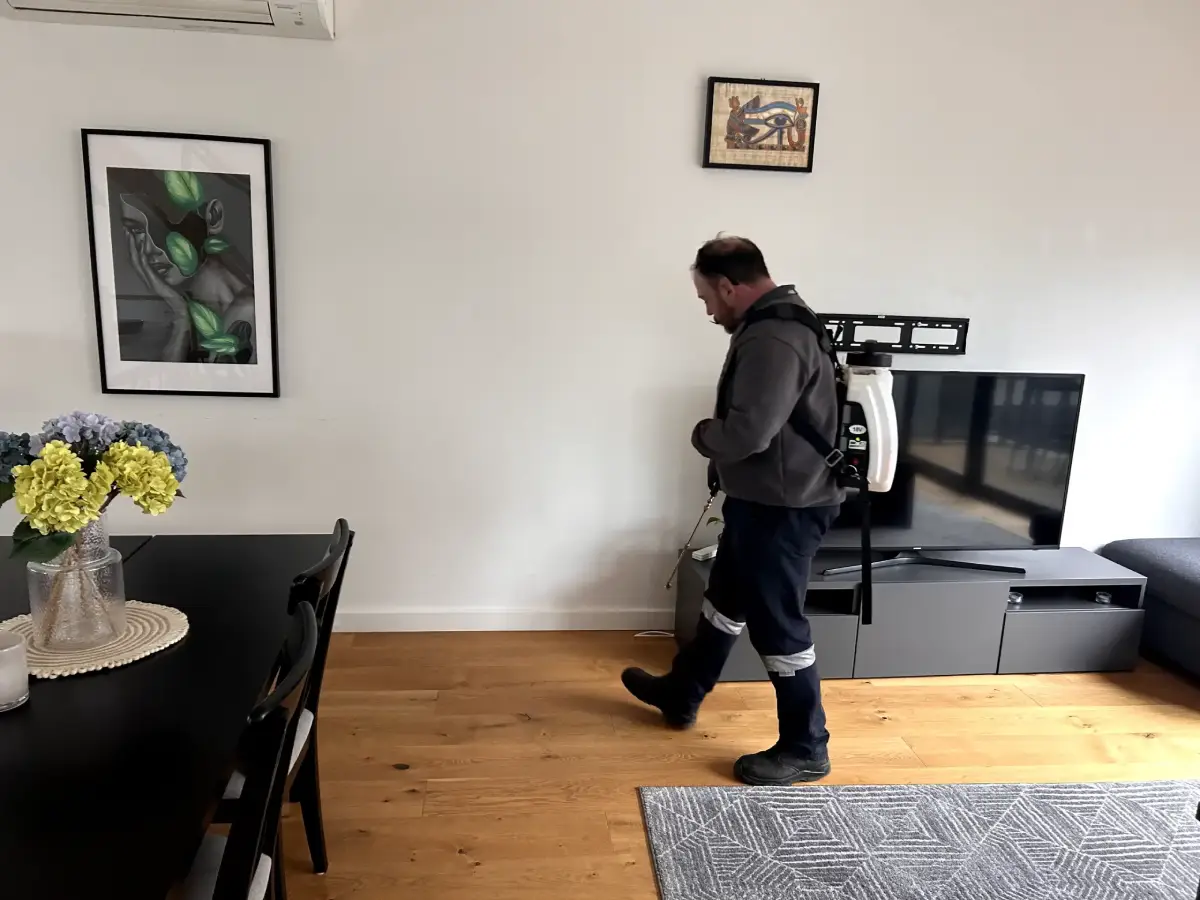
If you have found ants, cockroaches, mice or a wasp nest in a rental and you have confirmed who will arrange and pay for treatment, Tom’s Pest Control Adelaide can inspect and treat. Tell us whether you are the tenant or the landlord when you get in touch, so we can send the invoice and access details to the right person.
Quick answers for Adelaide renters
Who pays for pest control in a rental in South Australia?
It depends on the pest and the timing. Landlords are usually responsible for ants, cockroaches, fleas, spiders, mice and rats that are there at the start of the tenancy. During the tenancy, tenants usually deal with the pest and landlords seal the entry points, and white ants, possums and birds stay with the landlord.
Does my landlord have to deal with pests when I move in?
If the infestation was there at the start of the tenancy, the SA Government guidance says landlords are usually responsible for getting rid of these common household pests. Report it in writing with photos as soon as you find it.
Who is responsible for a wasp nest at my rental?
The landlord at the start of the tenancy, and during the tenancy if the nest is in a wall cavity. Otherwise the tenant usually deals with it.
What if my landlord ignores my request?
Keep your written request and photos, then ask CBS for advice on 131 882. You can also apply to SACAT for the repairs to be carried out, for compensation or for the tenancy to end.
Do I have to pay for pest control when I move out?
Not automatically. The sources checked for this article do not set one rule for every South Australian tenancy, so start with your tenancy agreement and ask CBS if it is unclear.