Frequently Asked Questions
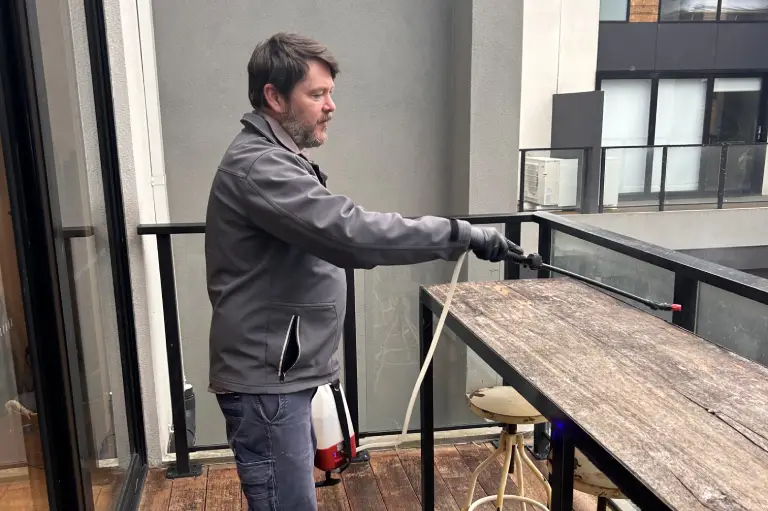
Pest control is a serious concern for children and pets. However, if the process is done correctly by a trained professional, there should be no danger to pets and children. The products used in the extermination process will be either applied to specific areas or placed into tamper-proof bait stations out of reach for pets and children. Ask the exterminator about their experience with families with pets and young children. Also, make sure they tell you about any precautions that may be required. For added security, you might consider taking pets out of the treated area and waiting for it to dry completely before allowing them in. With the proper precautions taken by the homeowner and the exterminator, pets and children should not be at risk during pest control procedures.
Preventing pests is the most crucial step in pest control. You may need to seal cracks and crevices, remove potential food or water sources, and store food properly. The critical aspect of pest control is correctly identifying the pest and choosing the most effective method to eradicate it. Applying a single-size-fits-all approach to pest control is impossible because each species has unique behaviours and weaknesses. It is essential to keep an eye out for new infestations and to take preventative measures to avoid them.
The corporate body is responsible for pest control in strata buildings. They look after the maintenance of the common property to make it habitable for all residents. Individual unit owners might also be responsible for keeping their units free from pests. This can help prevent the spread of pests to other units within the complex. In some cases, strata regulations may specify each party’s responsibilities regarding pest control. Residents must take an active role in keeping their environment pest-free and deal with problems promptly to avoid them becoming bigger problems. Collaboration between the corporate body and unit owners can make maintaining a strata complex pest-free easier.